Scaling a Resale Business With Smarter Stock Sourcing
Scaling a resale business usually creates one immediate problem: the sourcing method that worked at a small size may no longer provide enough stock. More orders require a steadier flow of inventory, but buying larger quantities without a system can create congestion rather than growth. Smarter sourcing means increasing supply while keeping control of cash, storage and processing time.
A reseller should begin with sales evidence. Which categories move consistently? Which products produce too many returns? Which items are easy to photograph, pack and dispatch? These questions help separate stock that supports growth from stock that merely looks cheap. Past results do not guarantee future demand, but they provide a stronger basis for buying than instinct alone.
The next issue is capacity. A business may be ready to buy wholesale pallets once individual sourcing becomes too slow, yet the change in volume affects every stage of the operation. More goods need to be received, counted, graded and stored. More listings need photographs and descriptions. Packing space may become busier. If those steps cannot keep pace, extra inventory can sit untouched while cash remains tied up.
Supplier information becomes more valuable as order sizes rise. Product categories, condition descriptions, manifests and photographs can help a reseller judge whether a load fits the business. The detail available will vary, so uncertainty should be priced into the decision. Buying on the assumption that every unit will achieve the best possible resale value can produce an unrealistic forecast.
Scaling also benefits from clear buying rules. A business might set limits for how much money can be committed to one load, how much warehouse space a category can occupy or how long stock should reasonably remain unsold before its price is reviewed. These rules make it easier to reject inventory that does not fit the operation, even when the headline offer looks attractive.
Another useful step is to distinguish between core and experimental stock. Core inventory consists of categories the reseller already understands and can process efficiently. Experimental stock tests a new product type, price point or audience. A business that plans to buy wholesale pallets can use this distinction to avoid placing too much capital into unfamiliar goods at once. Learning remains possible without turning every order into a major bet.
The way stock is processed matters just as much as how it is sourced. Incoming goods should move through a consistent sequence so that staff know what happens next. Items can be logged, checked, cleaned where appropriate, photographed and placed in a known storage location. Exceptions, such as incomplete or damaged products, need their own route rather than being mixed back into ready-to-sell stock.
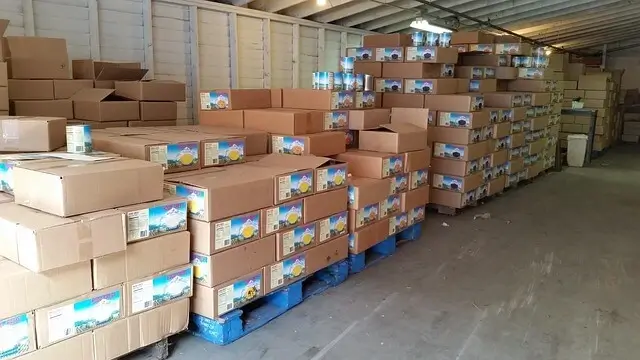
Image Source: Pixabay
Delivery frequency can matter as well. One large order may create a sudden workload, while several smaller deliveries can be easier to absorb even if the buying terms differ. The right rhythm depends on staffing, space and selling speed. Sourcing should support the operation’s normal flow rather than repeatedly forcing it into catch-up mode.
Growth can also expose weaknesses in data. When a business handles only a few dozen items, memory may be enough to remember where stock came from and what it cost. At larger volumes, that becomes unreliable. Recording purchase cost, fees, sale price and basic condition information helps the reseller compare suppliers and categories with more confidence.
The final decision to buy wholesale pallets should therefore be linked to the whole operating model. Larger orders make sense when there is enough demand, enough working capital and enough processing capacity to turn the stock into listings without delay. They make less sense when the business is already struggling to clear existing inventory.
Smarter sourcing is not simply about finding more goods. It is about choosing stock that moves through the business cleanly, produces useful margins and can be replenished without creating disorder. A resale operation scales well when purchasing grows in step with the systems that receive, prepare and sell what has been bought.

Comments